is tinea versicolour contagious Tinea versicolor
Tinea Versicolor, also known as pityriasis versicolor, is a common fungal infection of the skin. It is caused by a type of yeast called Malassezia, which naturally exists in small amounts on our skin. However, certain factors can lead to the overgrowth of this yeast, resulting in the development of Tinea Versicolor.
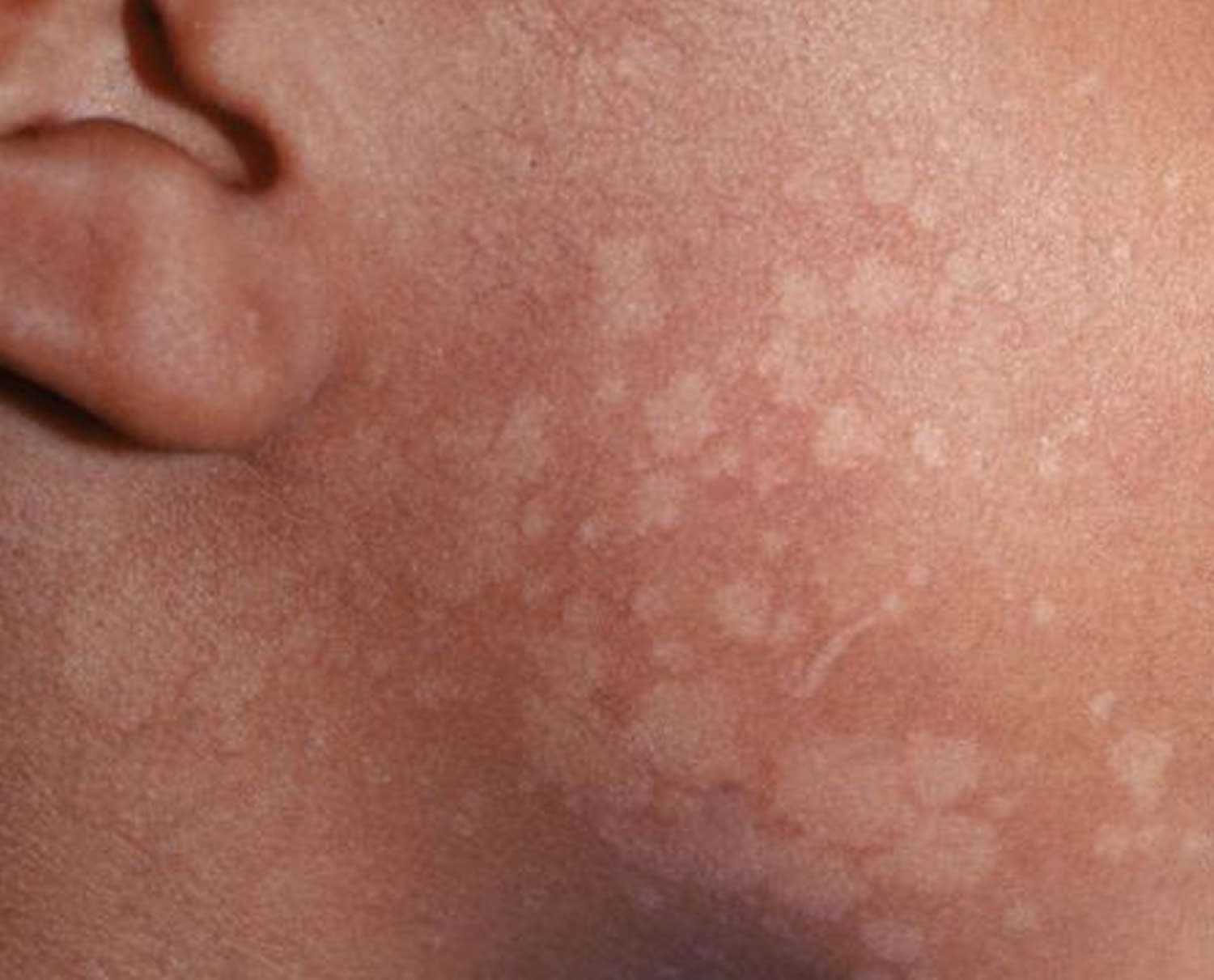 Tinea Versicolor on Face
One of the most common areas where Tinea Versicolor appears is the face. The infection presents as patches of discolored skin, often in shades of white, pink, tan, or brown. These patches may be scaly, itchy, or have a slightly raised appearance. While the infection itself is not contagious or harmful, it can be cosmetically concerning for those affected.
 Causes of Tinea Versicolor
Tinea Versicolor is more common in warm and humid climates. The excessive sweating and oily skin that occur in such environments create an ideal breeding ground for the yeast to multiply. Hormonal changes during puberty, pregnancy, or while using certain medications can also contribute to its development.
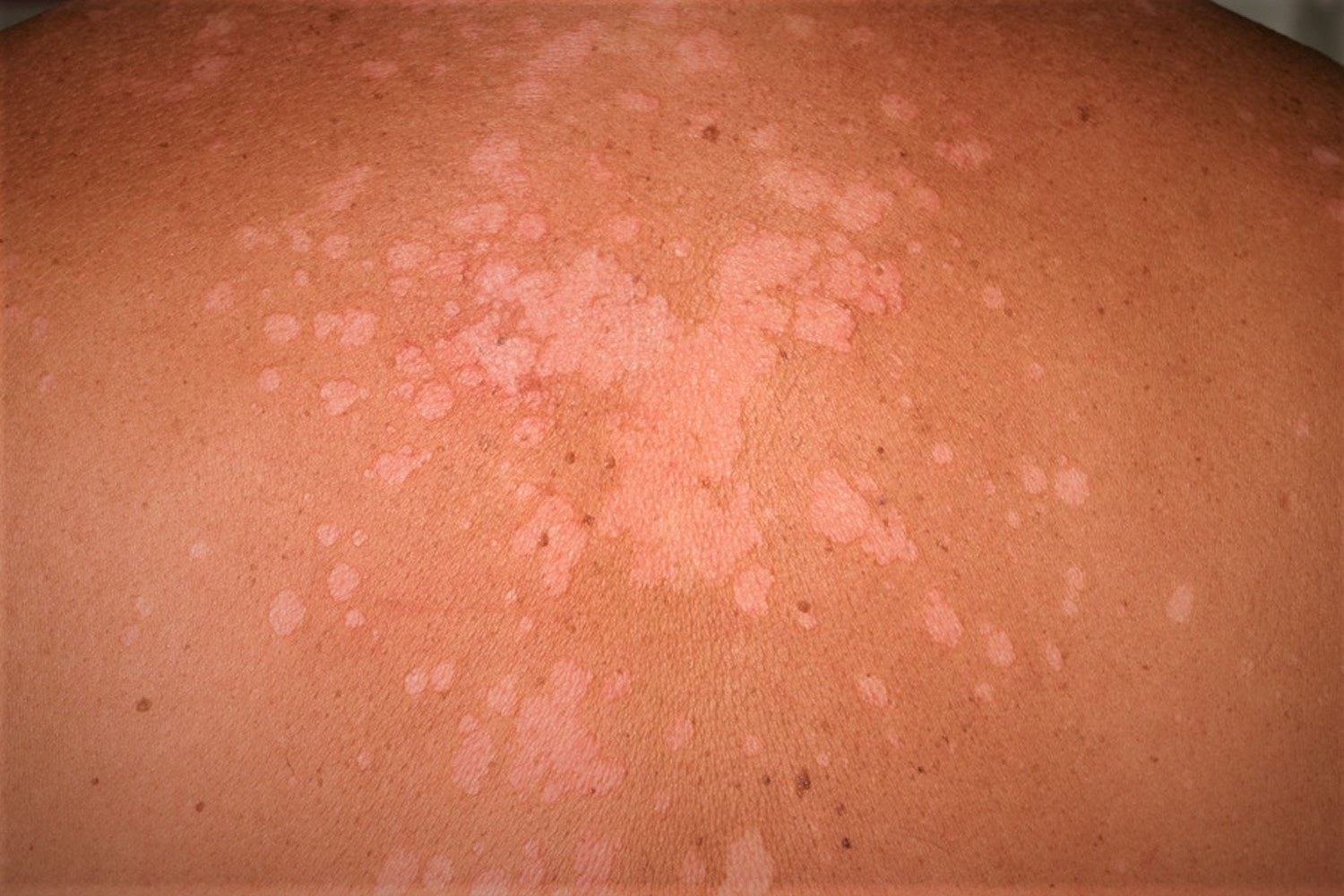
The symptoms of Tinea Versicolor can vary from person to person. Some individuals may experience minimal symptoms, while others may have severe itching, redness, or irritation. The patches can be more noticeable on fair-skinned individuals or in those with a suntan because the affected areas do not tan like the surrounding healthy skin.
Treatment Options
If you suspect that you have Tinea Versicolor, it is important to consult a healthcare professional for an accurate diagnosis. Over-the-counter antifungal creams, lotions, or shampoos containing ingredients such as ketoconazole or selenium sulfide can effectively treat mild to moderate cases of the infection.
For severe or recurring Tinea Versicolor, prescription medications may be necessary. These may include oral antifungal medications, medicated shampoos, or topical creams. It is important to follow the prescribed treatment regimen carefully and complete the full course of medication to ensure the infection is fully eradicated.
In addition to medical treatment, certain self-care measures can help prevent the recurrence of Tinea Versicolor. These include:
- Avoiding excessive heat and sweating
- Using antifungal soaps or cleansers
- Wearing loose, breathable clothing
- Avoiding oily or greasy skin products
- Regularly washing and drying affected areas
- Avoiding prolonged exposure to moist environments
It is important to note that even with appropriate treatment and preventive measures, Tinea Versicolor may recur or persist in some individuals. If the infection continues to recur or worsen, consulting a dermatologist may be necessary to explore alternative treatment options.
Tinea Versicolor may not be a serious medical condition, but it can cause discomfort and self-consciousness for those affected. By seeking timely medical attention and following the prescribed treatment plan, individuals can effectively manage and control the symptoms of this common fungal infection.
If you are looking for Tinea Versicolor: Good Hygienic Routines to Follow - Apollo Hospitals Blog you’ve visit to the right page. We have 5 Pictures about Tinea Versicolor: Good Hygienic Routines to Follow - Apollo Hospitals Blog like Tinea Versicolor: Good Hygienic Routines to Follow - Apollo Hospitals Blog, Tinea Versicolor - Causes, Signs, Symptoms, Treatment & Remedies and also Tinea Versicolor - Causes, Signs, Symptoms, Treatment & Remedies. Here you go:
Tinea Versicolor: Good Hygienic Routines To Follow - Apollo Hospitals Blog
 healthlibrary.askapollo.comversicolor pityriasis tinea pitiriasi rosea macchie corporis abbronzatura fungal medpertise macchia hygienic routines blame herald patch mooci behandlung therapie malassezia
Tinea Versicolor: Causes, Symptoms, Diagnosis, & Treatment
www.emedihealth.comtinea versicolor symptom darker infection
Tinea Versicolor - Causes, Signs, Symptoms, Treatment & Remedies
healthjade.comtinea versicolor face back treatment symptoms causes figure upper
Everything You Need To Know About Tinea Versicolor | Skin And Cancer
 www.skinandcancerinstitute.comTinea Versicolor - Causes, Signs, Symptoms, Treatment & Remedies
 healthjade.nettinea versicolor symptoms causes contagious
Tinea versicolor symptoms causes contagious. Tinea versicolor. Versicolor pityriasis tinea pitiriasi rosea macchie corporis abbronzatura fungal medpertise macchia hygienic routines blame herald patch mooci behandlung therapie malassezia