how much protein carbs and fat per day Carbs protein
When it comes to our diet, one question that often pops up is, “How many carbohydrates should I eat?” This is a valid question because carbohydrates play a crucial role in our overall health and wellbeing. To shed some light on this topic, I came across an informative blog post by Ben Wilson, a renowned personal trainer. The post discusses the ideal carbohydrate intake for individuals looking to improve their fitness and maintain a healthy lifestyle.
The Importance of Carbohydrates
Carbohydrates are our body’s primary source of energy. They are broken down into glucose, which fuels our cells and provides the energy needed for daily activities. Therefore, it’s essential to consume an adequate amount of carbohydrates to keep our body functioning optimally.
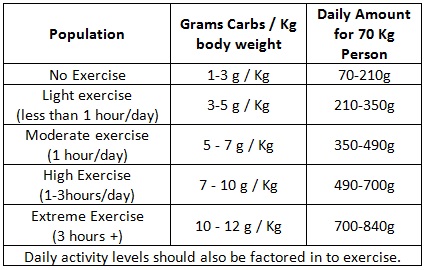
According to Ben Wilson, the amount of carbohydrates we should eat depends on our activity level. If you are relatively sedentary and don’t engage in intense physical activities, you might not require as many carbohydrates as an athlete or someone with an active lifestyle.
A general guideline recommended by Wilson is to consume around 45-65% of your daily caloric intake from carbohydrates. However, this should be adjusted based on your individual goals, body composition, and activity level.
Finding the Right Balance
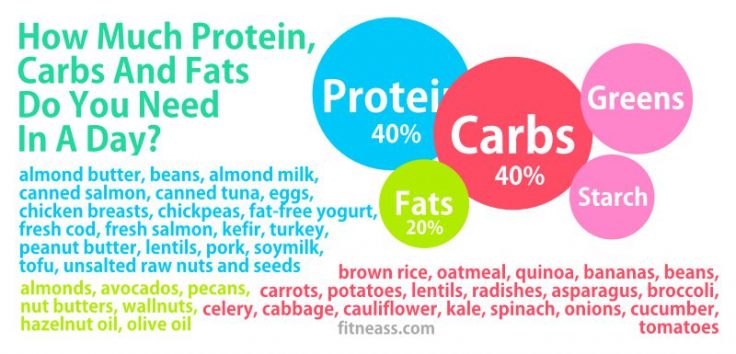
It’s important to strike the right balance when it comes to macronutrient distribution in our diet. Carbohydrates, proteins, and fats all play unique roles in maintaining our health. For a comprehensive understanding of our daily macronutrient needs, I stumbled upon another helpful resource by Fitneass.
Fitneass emphasizes that while carbohydrates provide energy, proteins aid in muscle growth and repair, and fats support various bodily functions. According to their article, our daily diet should consist of approximately 50-60% carbohydrates, 15-20% proteins, and 20-30% fats.
This breakdown ensures that we acquire the necessary nutrients for our body to function optimally. When planning your meals, it’s important to include a variety of nutrient-dense foods such as whole grains, lean proteins, healthy fats, fruits, and vegetables.
Understanding Your Body’s Needs
While the recommended carbohydrate intake and macronutrient distribution percentages provide a general guideline, it’s crucial to understand that everyone’s body is unique. Factors such as age, sex, height, weight, and metabolism can influence our individual dietary requirements.
An effective way to determine your personal carbohydrate needs is by consulting with a registered dietitian or nutritionist. They can assess your specific goals, lifestyle, and body composition to provide tailored recommendations.
Incorporating Carbohydrates into Your Diet
Now that we have a better understanding of the importance of carbohydrates and how much we should consume, let’s talk about some healthy sources of carbohydrates.
Foods rich in complex carbohydrates, such as whole grains, legumes, fruits, and vegetables, are excellent choices. These foods provide a steady release of glucose into the bloodstream, preventing spikes in blood sugar levels.
When selecting carbohydrates, opt for nutrient-dense options rather than processed and refined carbohydrates. Whole grains like quinoa, brown rice, and oats are packed with fiber, vitamins, and minerals, making them a great addition to your diet.
 Remember to include a variety of colorful fruits and vegetables in your meals. These provide essential vitamins, minerals, and antioxidants, which are beneficial for your overall health.
 Conclusion
Understanding how many carbohydrates to consume is an important aspect of maintaining a healthy diet. It’s essential to strike the right balance and consider your unique needs, activity level, and goals. While general guidelines are useful, consulting with a registered dietitian or nutritionist can provide personalized recommendations.
By incorporating healthy sources of carbohydrates into your diet, such as whole grains, fruits, and vegetables, you can fuel your body and support your overall wellness. Remember, it’s not just about the quantity of carbohydrates, but also the quality!
If you are looking for Protein for endurance exercise: Eat big, run fast. - RunThrough Running you’ve came to the right page. We have 5 Images about Protein for endurance exercise: Eat big, run fast. - RunThrough Running like How Many Grams Of Protein Fat And Carbs Should I Eat Per Day - WHMUC, Protein for endurance exercise: Eat big, run fast. - RunThrough Running and also How Many Carbohydrates Should I Eat? | Ben Wilson Personal Trainer. Read more:
Protein For Endurance Exercise: Eat Big, Run Fast. - RunThrough Running
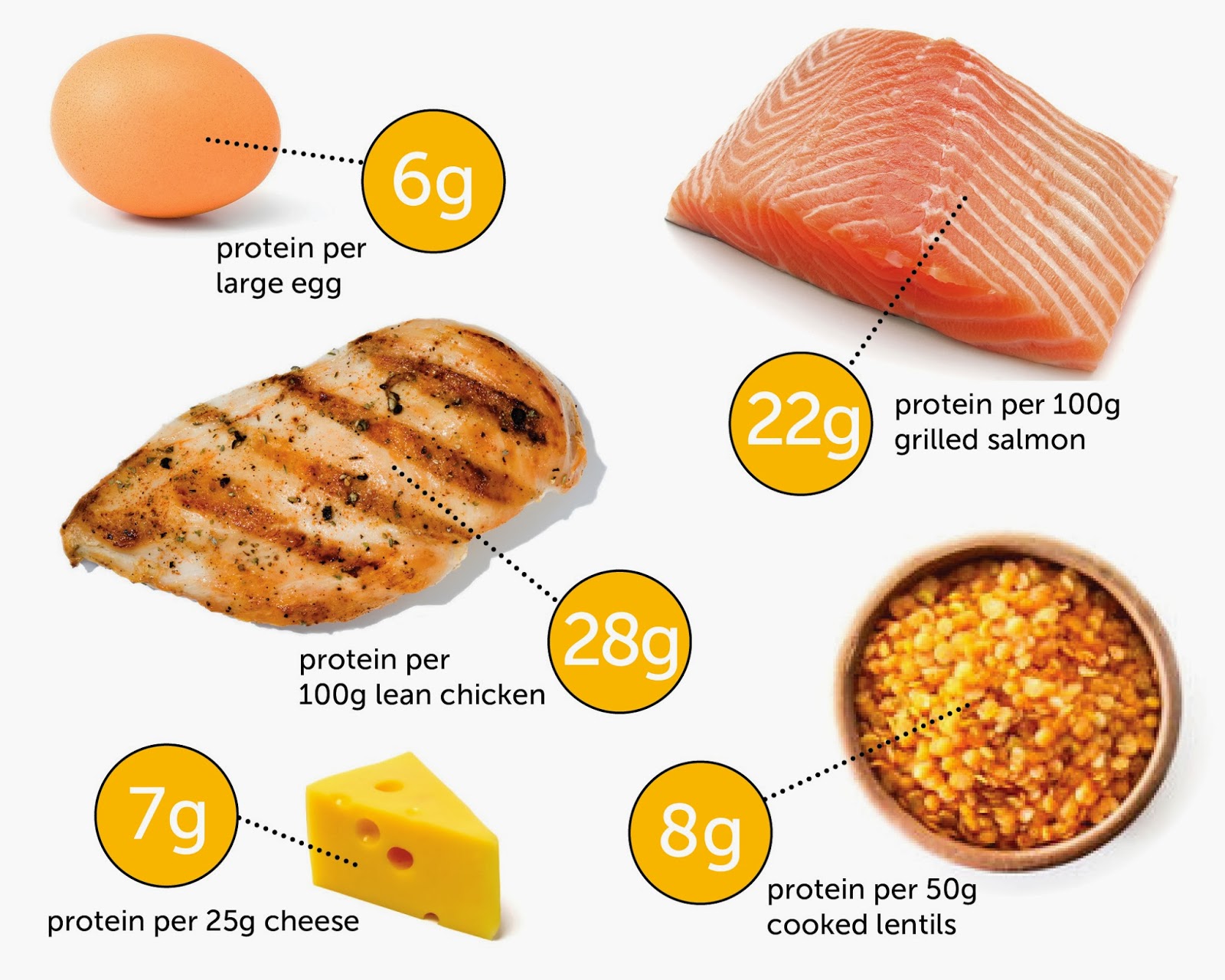 club.runthrough.co.ukprotein foods sources grams food fats gr muscle carbs lean weight eat loss chicken big many daily per need ratio
How Much Protein, Carbs And Fats Do You Need In A Day? - Fitneass
www.fitneass.comprotein much fat carbs fats need ratio diet does carbohydrate carb calorie 1500 fitneass atkins
How Many Grams Of Protein Fat And Carbs Should I Eat Per Day - WHMUC

Calculation Of Protein, Fat And Carbs For Muscle Building.
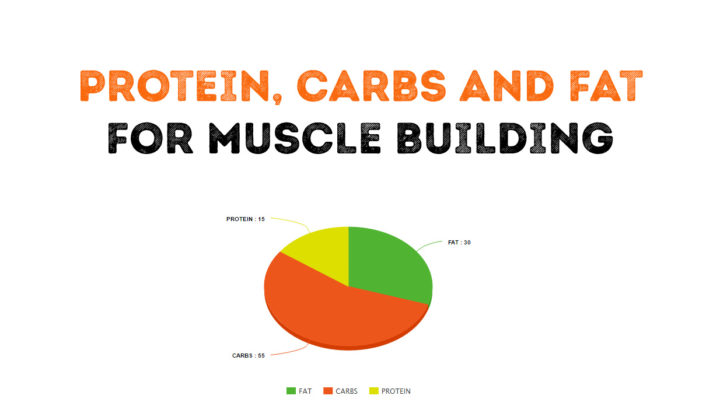 newprohormones.comcarbs much
How Many Carbohydrates Should I Eat? | Ben Wilson Personal Trainer
one2onenutrition.co.ukmany eat per carbohydrates should carbohydrate carbs grams much weight intake kg carb body nutritionist london use amounts shown tables
Many eat per carbohydrates should carbohydrate carbs grams much weight intake kg carb body nutritionist london use amounts shown tables. Protein foods sources grams food fats gr muscle carbs lean weight eat loss chicken big many daily per need ratio. How many carbohydrates should i eat?